AI for Astrophotography: Helpful Assistant or Data Fabricator?
The difference between AI that reveals the signal your telescope captured and AI that invents details that were never there.
Artificial intelligence has arrived in astrophotography, and opinions are almost as divided as the clouds on a promising new moon weekend. Some photographers see AI as the future of image processing. Others worry it blurs the line between revealing the night sky and inventing it.
The truth depends on what kind of AI you're using.
When AI Crosses the Line
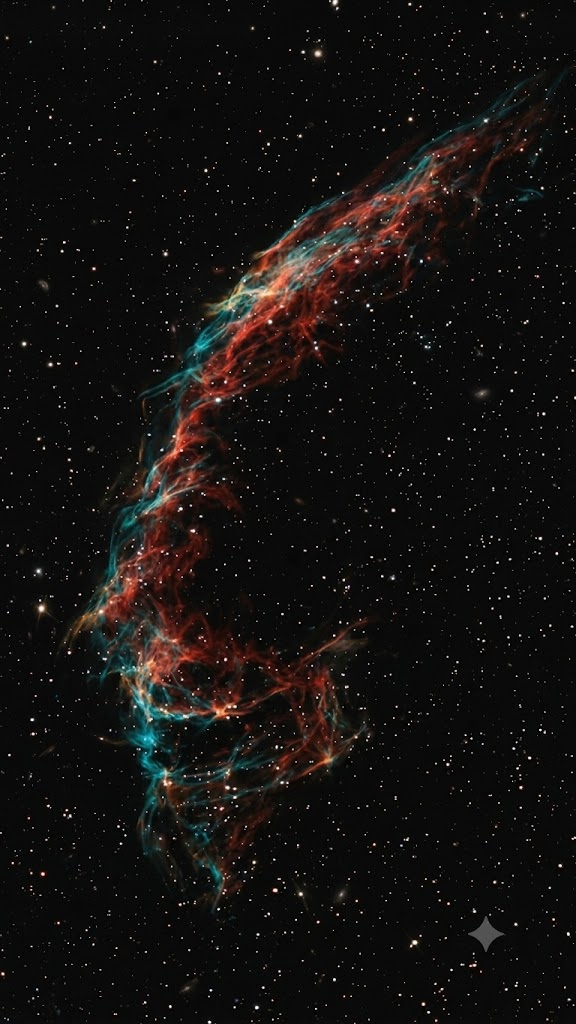
Generative AI is designed to create new content. That is its entire purpose. Whether it's generating text, artwork, or photographs, these models can invent details that were never present in the original data.
In astrophotography, that raises an important question. If an AI creates stars that were never captured, fills in missing nebula detail, or fabricates galaxy structure, is the final image still a photograph of the night sky?
For many astrophotographers, the answer is no. The satisfaction comes from revealing faint celestial objects that were actually recorded by your telescope and camera, not imagined by an algorithm.
AI That Preserves Your Data
Not all AI works this way.
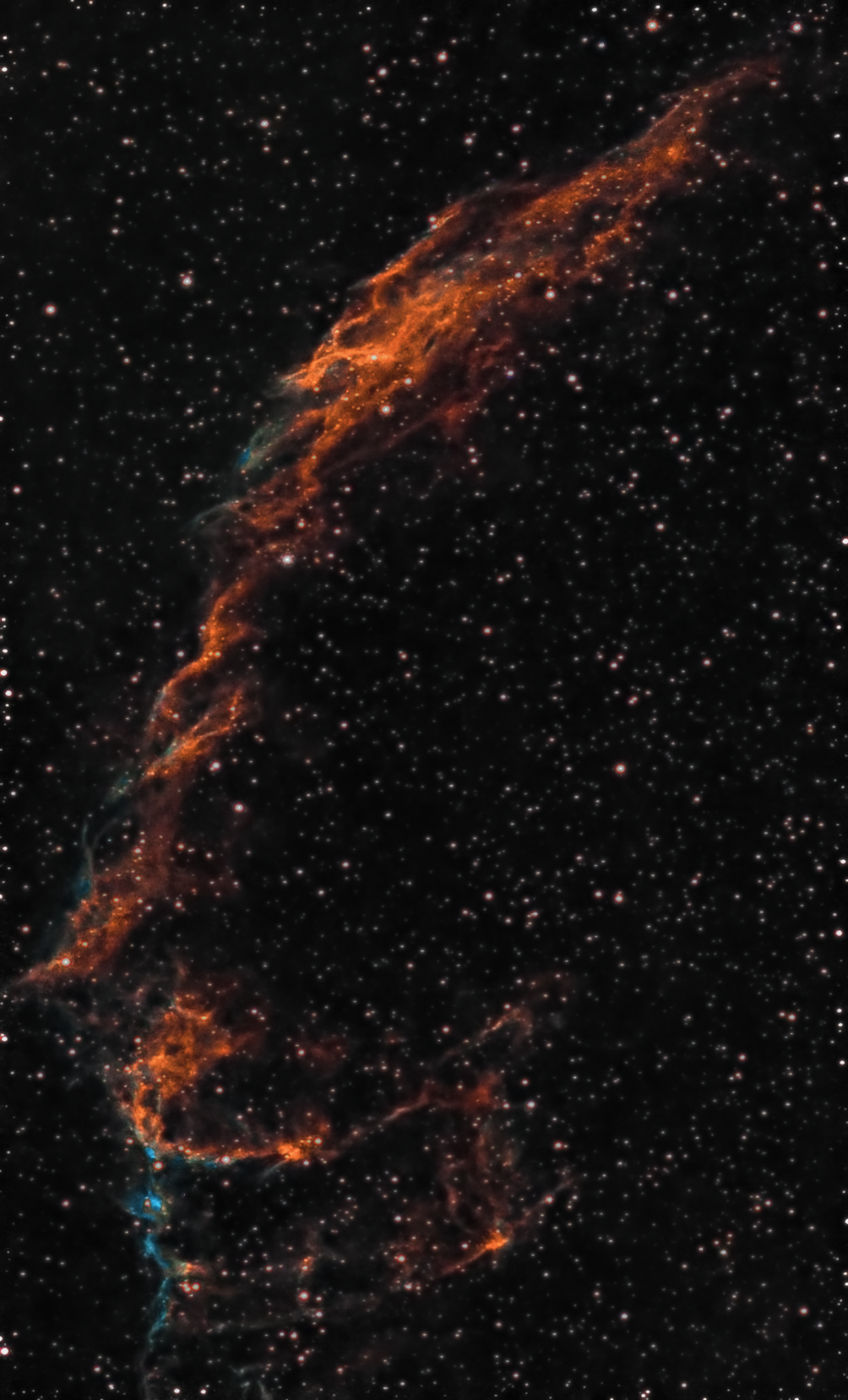
Modern non-generative AI can analyze your images and improve them without inventing new astronomical information. Instead of creating pixels from scratch, these tools identify patterns in the captured data to reduce noise, sharpen detail, separate the sky from the background, or remove unwanted artifacts while respecting the original signal.
Think of it as an experienced image processing assistant rather than a digital painter. The goal is to help the real data shine through, not replace it.
This distinction matters because astrophotography has always been about extracting faint signals hidden in noise. AI can make that process faster and more effective without changing what your telescope actually captured.
The Future Is Responsible AI
Artificial intelligence is not inherently good or bad for astrophotography. Like any processing technique, its value depends on how it is used.
If the goal is creating fantasy space art, generative AI opens exciting creative possibilities. There is nothing wrong with that as long as the result is presented honestly.
If the goal is producing an authentic astrophotograph, non-generative AI offers a different path. It can automate tedious processing steps, improve image quality, and preserve scientific integrity by working with the data you captured instead of replacing it.
That balance is likely to define the future of astrophotography. AI should help us reveal the universe, not rewrite it.
← Back to the DeepSky blog